
Solar panels make the most of the daytime sun. The problem is that most homes use the most electricity in the evening, when the panels are producing little or nothing. Battery storage closes that gap by holding onto the energy you generate so you can use it at night instead of buying it back from the grid.
Here is how home battery storage works in 2026, what it costs in NSW, and whether it makes sense for your home. To see current battery package pricing, visit our battery storage packages.
How a home solar battery works
A solar battery sits between your panels and your home. During the day, excess generation charges the battery instead of being exported to the grid. In the evening, the stored energy is discharged to power your lights, appliances and heating.
The two main configurations are:
- DC-coupled, where the battery connects on the same side as the panels, usually through a hybrid inverter. This is common in new installations.
- AC-coupled, where the battery has its own inverter and connects to your switchboard. This is how batteries retrofit onto existing systems.
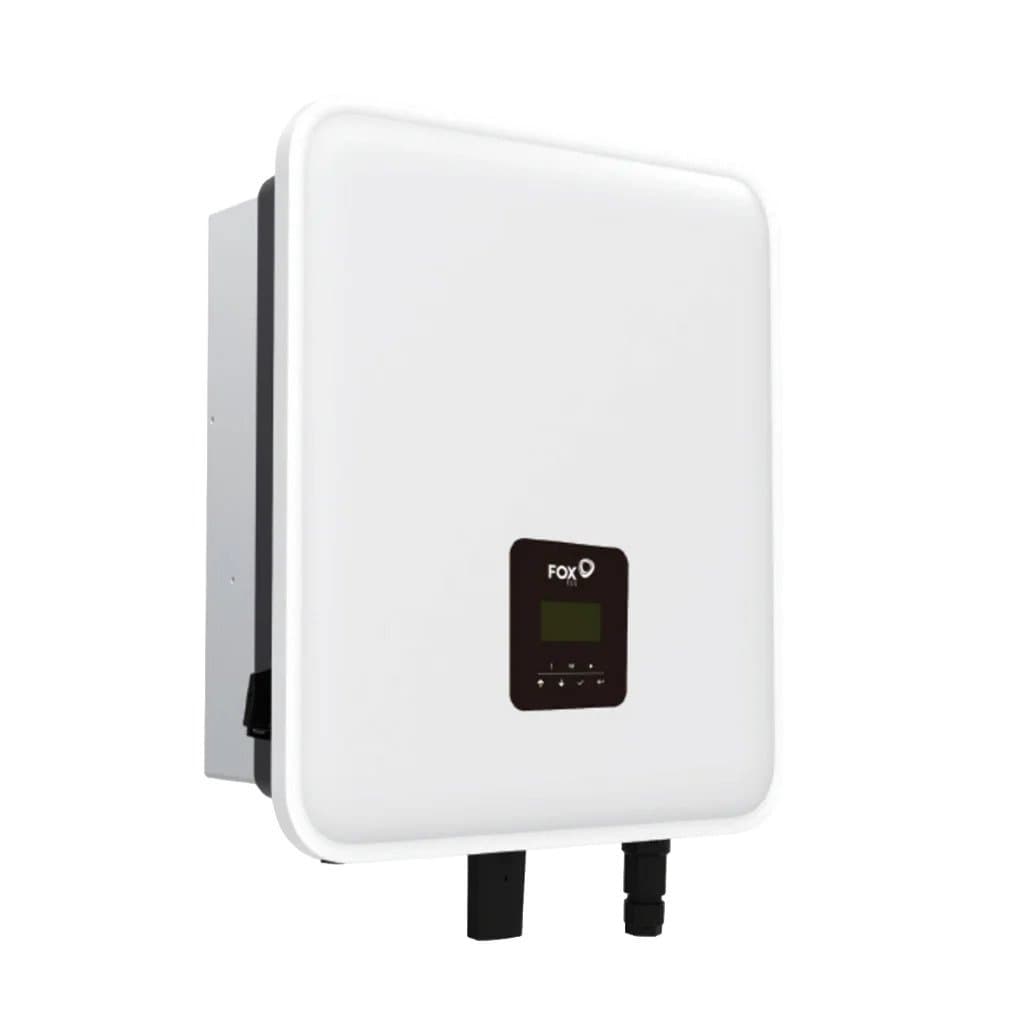
Solar Chief installs FoxESS AC-coupled battery systems for retrofits, and FoxESS hybrid inverters in new solar and battery packages.
What a battery actually saves you
The savings come from the difference between what you pay to import power and what you earn exporting it. A feed-in tariff might pay a few cents per kilowatt-hour, while grid electricity costs around 25 to 35 cents or more. Every kilowatt-hour you store and use yourself is worth the full avoided import price, not the export price.
This is why the maths favours homes that use power in the evening: the more of your own generation you can shift into the night, the faster the battery pays for itself.
What it costs in NSW
Battery price scales with capacity. As a reference, Solar Chief's retrofit packages start from around $4,999, and complete solar and battery systems start from around $8,691. The exact figure depends on battery size, inverter type and whether blackout protection is included.
The Cheaper Home Batteries Program lowers this further: a discount of around 30% off eligible batteries between 5 and 100 kWh, applied at point of sale by a SAA-accredited installer. On a typical 28 kWh package that is roughly $4,600 off, before any NSW loan.
Is it worth it? A rough payback view
The honest answer is that a battery is rarely the fastest payback on its own, because panels without storage are cheaper. The battery earns its keep when:
- You have a feed-in tariff well below your import price.
- You use significant power in the evening.
- You want backup during blackouts or greater energy independence.
For many Western Sydney homes, the combination of the 30% battery discount, the NSW zero-interest loan and rising evening electricity prices has shortened payback enough to make storage worth serious consideration.
Choosing the right battery size
Battery capacity is measured in kilowatt-hours (kWh). A small battery of around 5 to 10 kWh covers evening essentials. A larger battery of 20 kWh or more can carry most of a home's overnight load.
Rather than guess, size the battery to your evening usage. An installer who reviews your actual consumption will recommend a capacity that matches it, rather than overselling a battery you will never fully cycle.
Frequently asked questions
How long does a home solar battery last?
Most quality lithium batteries carry a 10-year warranty and are rated for thousands of charge cycles. The battery typically needs replacing before the panels do.
Can I add a battery to an existing solar system?
Yes. An AC-coupled battery retrofits onto most existing systems without replacing your inverter or panels.
Will a battery power my home during a blackout?
Only if configured for backup with the right inverter and wiring. Confirm blackout protection when quoting.
Ready to see the numbers?
Solar Chief is SAA accredited for battery installation across NSW. Tell us about your home and current system, and we will show you the capacity that fits your usage and the all-in price after the battery discount.
More from the blog


Let's Talk
Ready For A Free Quote?
Tell us about your property and we'll come back with a tailored solar + battery recommendation within 1 business day.