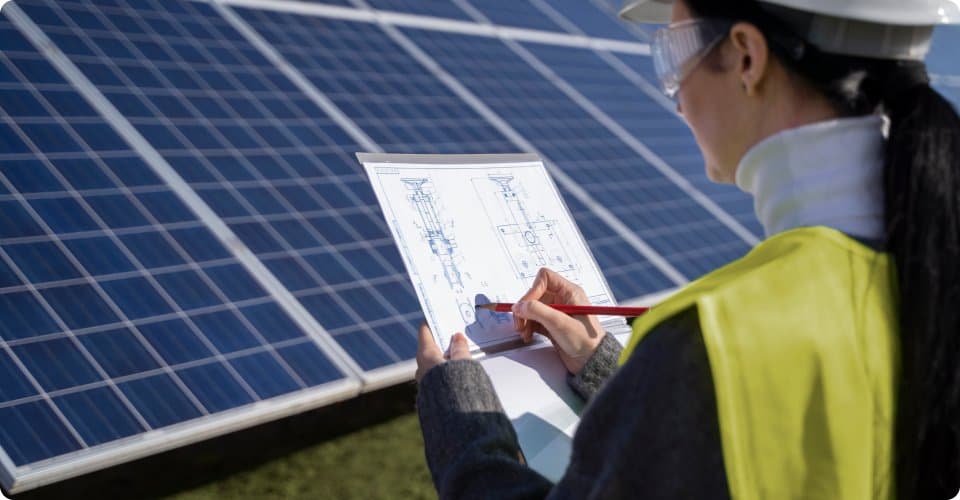
Choosing solar panels is less about picking the flashiest brand and more about matching the right panel, inverter and installer to your home. Here is what actually matters in 2026, in plain English. When you are ready, you can compare our solar packages side by side.
Panel types: what the labels mean
There are two main silicon technologies:
- Monocrystalline: cut from a single silicon crystal, which gives higher efficiency and better performance in low light. Most modern residential systems use these.
- Polycrystalline: made from multiple silicon fragments, slightly cheaper and slightly less efficient.
For most Australian roofs, monocrystalline is the sensible default. The efficiency difference is small but real, and it matters more on smaller or partly shaded roofs.
Efficiency and wattage
Efficiency is how much of the sunlight hitting a panel becomes electricity. Modern panels run around 20 to 22 percent. Wattage is the rated output under test conditions; a 475W panel produces more per panel than a 370W panel.
Higher wattage means you need fewer panels for the same system size, which matters when roof space is tight. Solar Chief's standard package uses JA Solar 475W panels for this reason.
What actually determines a good result
The panel is only one part of the system. Four things matter more than the brand name:
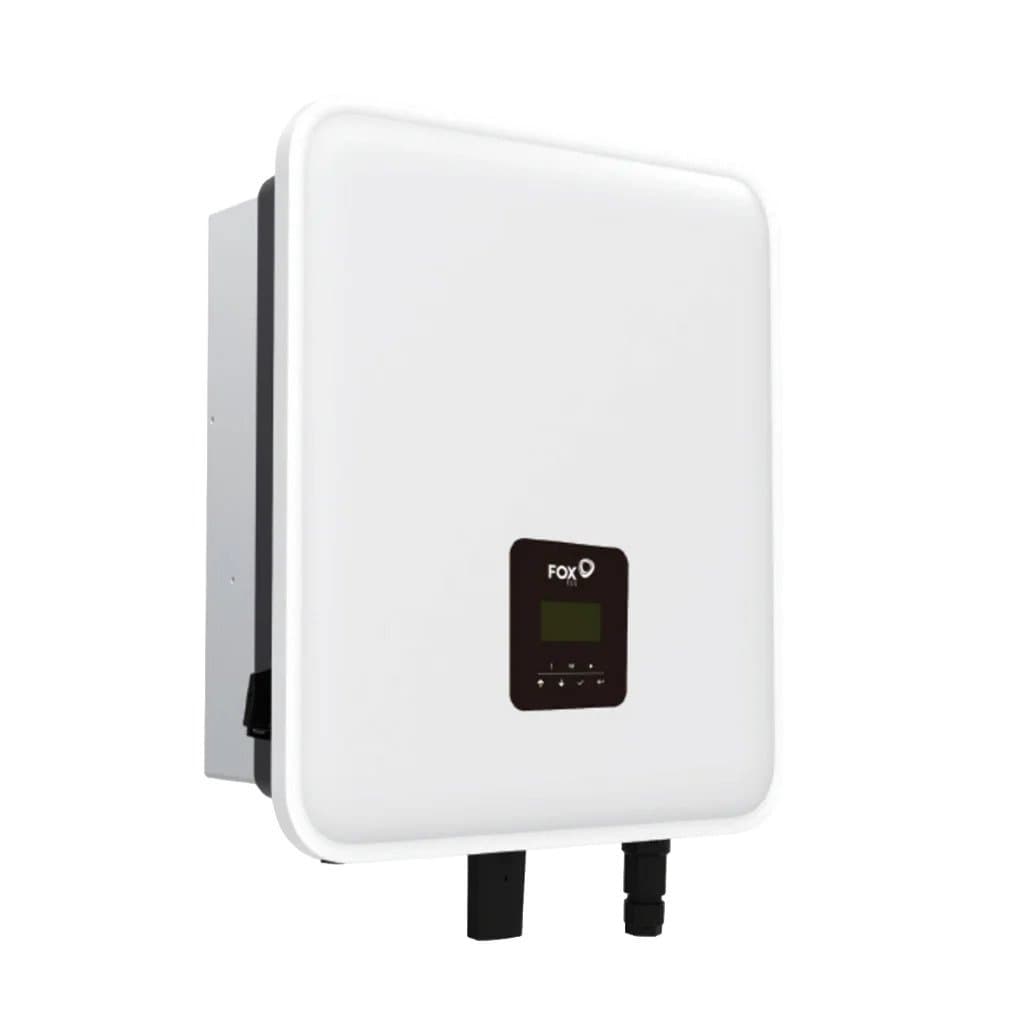
- The inverter converts DC to AC and caps what the system can deliver. A cheap inverter limits a good panel.
- System design includes orientation, tilt and shading. A poorly placed premium panel underperforms a well-placed mid-range one.
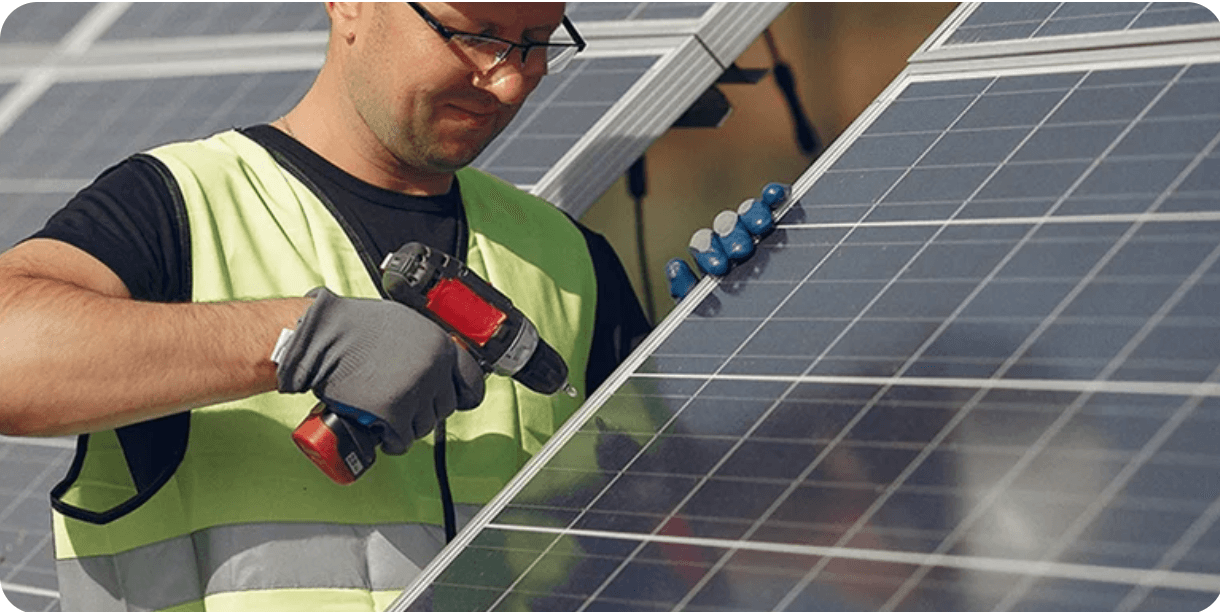
- Installation quality affects safety and longevity. SAA accreditation is the non-negotiable minimum.
- Warranties separate the serious options. Look for a 25-year performance warranty on panels and a solid inverter warranty.
Warranties to check
- Product warranty: covers manufacturing defects, typically 10 to 15 years on a quality panel.
- Performance warranty: guarantees output after 25 years, usually 80 percent or more of the original rating.
Read both. A 25-year performance warranty on a reputable panel is the industry standard.
Sizing: how many panels do you need?
Sizing follows your electricity usage, not a salesperson's guess. The average Australian household uses around 15 to 20 kWh per day. A 6.6 kW system, roughly 14 to 16 modern panels, is a common sweet spot for a three to four bedroom home, and a 10 kW system suits larger households with higher daytime use.
If you add a battery, the sizing conversation changes, because you are designing for evening self-consumption as well as daytime generation.
Red flags to avoid
- A quote that ignores your actual bills or usage.
- No mention of the inverter brand or warranty.
- An installer who cannot show SAA accreditation.
- Pressure to sign on the spot.
A good installer walks you through the options and lets the numbers drive the decision.
Frequently asked questions
What is the difference between monocrystalline and polycrystalline panels?
Monocrystalline panels are more efficient and better in low light. Polycrystalline panels are cheaper but slightly less efficient. Most modern installs use monocrystalline.
Does panel brand matter more than the installer?
No. A reputable installer and correct design matter more than the brand. A good installer pairs quality panels with the right inverter.
How many panels do I need?
It depends on your usage and roof space. A 6.6 kW system, roughly 14 to 16 modern panels, suits many homes. Size to your consumption.
Get a system designed for your home
Solar Chief uses JA Solar 475W panels with quality inverters and sizes every system to the home's actual usage. Tell us about your property and we will recommend the right configuration, with the warranty details spelled out.
More from the blog
Let's Talk
Ready For A Free Quote?
Tell us about your property and we'll come back with a tailored solar + battery recommendation within 1 business day.