
Solar power systems are one of the smartest investments homeowners and businesses can make in Australia. With abundant sunshine throughout the year, solar panels can deliver significant energy savings and reduce carbon emissions. But even the most robust solar installations need regular care to maintain peak performance.
Understanding solar system maintenance is crucial for protecting long-term efficiency, preventing avoidable issues, and ensuring your energy output stays strong year after year.
Why Solar System Maintenance Matters
Solar panels are built to last 25 years or more, but environmental factors, minor damage, and component wear can reduce efficiency. Regular maintenance helps:
- Maximise energy production by reducing performance losses
- Extend system lifespan by detecting issues early
- Improve safety by inspecting electrical components
- Protect your warranty through documented checks
- Avoid costly repairs by catching minor issues before they escalate
According to the Clean Energy Council, routine maintenance is essential to preserve solar performance and maximize your investment.
What Solar System Maintenance Includes
Solar system maintenance is more than a visual check—it includes several important tasks designed to assess, clean, and optimise your system’s health:
Solar Panel Cleaning
Dust, pollen, bird droppings, and debris can block sunlight and reduce output. Panels should generally be cleaned 1–2 times per year. For more guidance, you can review how solar panels work and determine the best cleaning practices.
Electrical Component Inspection
Inverters, cables, junction boxes, and connectors are reviewed for wear and functionality. Understanding common solar installation questions helps homeowners know what to expect during inspection.
Performance Monitoring
Tools and software can track your system’s output. Significant drops in energy production may indicate a need for professional maintenance or cleaning.
Structural Checks
Roof attachments, mounting brackets, and conduit routes are inspected to prevent shifting or damage. Homeowners can also explore residential solar systems to understand how installations vary.
Safety Reviews
Proper grounding and cable integrity are essential for safety. The Australian Energy Regulator recommends regular checks to ensure all electrical components are compliant and hazard-free.
Seasonal Maintenance Tips for Australian Conditions
Australia’s climate varies widely, so seasonal maintenance helps maintain performance year-round:
- Summer: Clean panels more frequently due to dust and pollen.
- Storm Season: Check panels after hail or heavy winds for cracks or loose mounts.
- Winter: Remove leaf litter and rain debris to avoid blocked panels.
- Spring: Perform a thorough system check before peak sun months to maximize efficiency.
Seasonal care prevents minor issues from turning into significant performance losses.
DIY vs. Professional Solar Maintenance
While homeowners can perform basic maintenance, some tasks require professional attention.
DIY Actions
- Visual inspection of panels and wiring
- Light cleaning with gentle water spray
- Monitoring system output via your inverter app
Professional Services
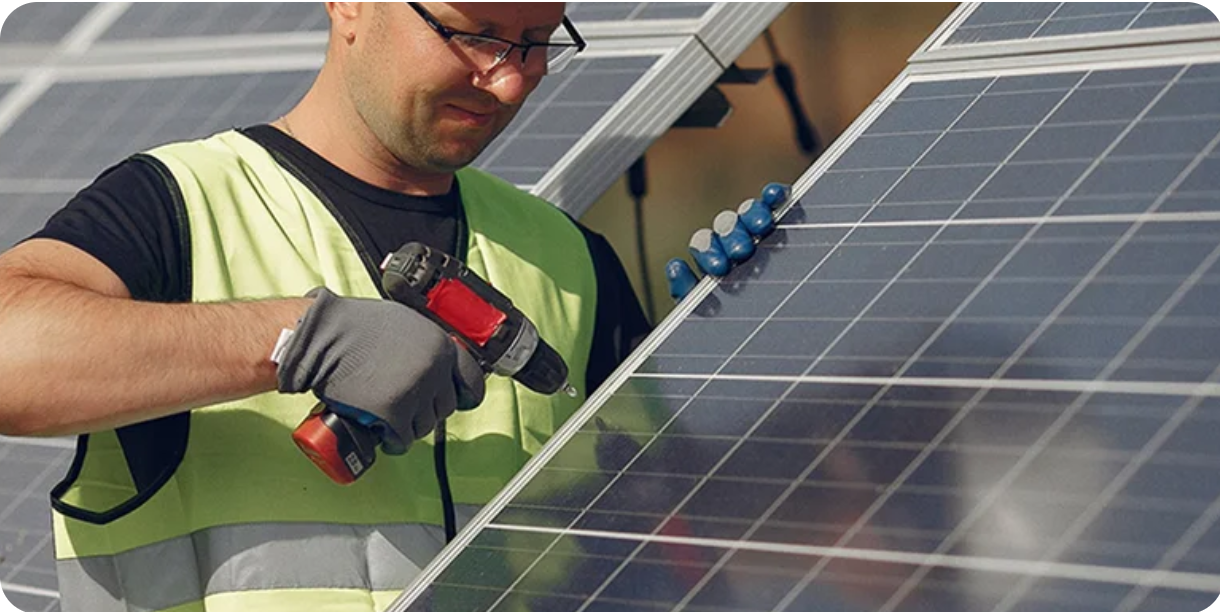
- Full panel cleaning with specialised equipment
- Electrical diagnostics and tuning
- Warranty-approved inspections
- Fault detection using thermal imaging
Professional maintenance ensures your system operates efficiently and aligns with best practices in solar power systems.
How Often Should Solar Systems Be Serviced?
General guidelines include:
- Panel cleaning: 1–2 times per year
- Electrical inspection: Annually
- Full performance review: Every 12 months
Systems in dusty or shaded areas may require additional attention. Regular servicing prevents performance losses and ensures your warranty remains valid.
Cost Considerations
Maintenance costs depend on system size, location, and the scope of service. DIY cleaning is low-cost, while professional inspections and electrical servicing involve labour and expertise.
Investing in routine maintenance can:
- Prevent expensive repairs
- Maintain or increase energy savings
- Protect warranty eligibility
Neglected solar systems often result in higher repair costs over time.
Signs Your Solar System Needs Attention
Watch for these indicators:
- Lower than expected energy output
- Inverter alerts or error messages
- Visible panel damage or cracks
- Loose or exposed wiring
- Hot spots or discoloration
Early detection through regular maintenance can save money and prevent permanent damage.
Choosing the Right Solar Maintenance Provider
Look for providers who offer:
- Clean Energy Council accreditation
- Positive customer reviews and verified portfolio
- Transparent pricing and service schedules
- Safety protocols and insurance coverage
- Experience with your system type
Hiring a reputable provider ensures your solar system is maintained to high standards and aligns with manufacturer warranty requirements.
For example, Solar Chief’s solar system maintenance services provide expert inspections, cleaning, and ongoing support across Australia.
External References
- Clean Energy Council – Industry Standards
- Australian Energy Regulator – Solar Tips
- CSIRO – Solar Research & Technology
Frequently Asked Questions About Solar System Maintenance
1. How often should I clean my solar panels?
Panels should be cleaned at least 1–2 times per year, more often in dusty or high-pollen areas.
2. Does maintenance improve energy efficiency?
Yes. Regular cleaning, electrical inspections, and performance monitoring ensure panels operate at peak efficiency.
3. Can I perform maintenance myself?
Basic inspection and cleaning are fine for homeowners, but professional services are recommended for electrical and structural tasks.
4. What happens if I neglect maintenance?
Energy production may decline, minor issues can become costly repairs, and warranties may be affected.
5. How long will my solar system last with proper maintenance?
Most systems last 25 years or more when maintained properly, with consistent energy production throughout their lifespan.
