

Australia’s sunny climate makes solar energy a smart investment for homeowners and businesses alike. But simply installing solar panels is not enough. To ensure your system operates efficiently, safely, and for as long as possible, ongoing solar system maintenance is essential.
At Solar Chief, we help solar owners in Sydney and beyond keep their systems in peak condition. Whether you’re noticing a dip in performance or planning long-term care, understanding how maintenance impacts solar output can save you time, money, and frustration.
Why Solar System Maintenance Is Critical
Solar installations are built to be resilient, but they operate in a demanding environment. Exposure to heat, dust, rain, birds, wind, and debris affects performance over time. Regular maintenance prevents small issues from becoming costly repairs and ensures maximum energy production.
Here’s why maintenance matters:
1. Protect Your Investment
Solar systems can last 20 years or more. Regular inspections and cleaning protect your initial investment and extend the life of key components.
2. Improve Energy Output
Dirt, pollen, bird droppings, and shade build-up can reduce panel efficiency. Scheduled maintenance keeps panels clean and performing at their best.
3. Detect Issues Early
Loose wiring, cracked panels, inverter faults, or shading problems can go unnoticed without inspection. Early detection avoids breakdowns and unplanned outages.
4. Maintain Warranty Conditions
Many manufacturers require proof of regular maintenance for warranty claims. A documented maintenance plan protects your warranty.
If you want to learn more about the first step after installation, read our guide on what to do after your solar installation to protect your system right from the start.
What Solar System Maintenance Includes (and Why It’s Important)
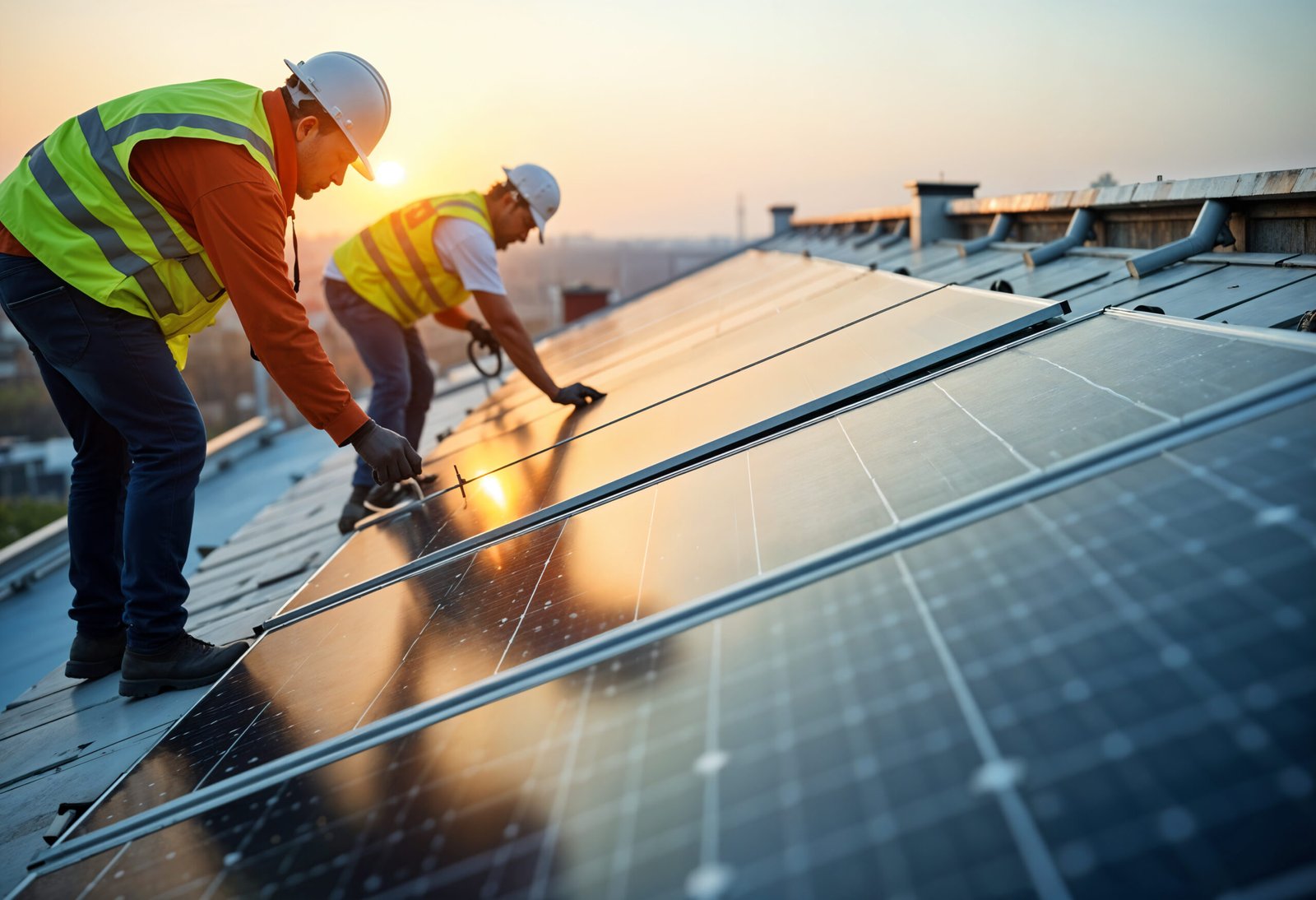
A professional maintenance visit goes beyond brushing dust off panels. Solar Chief’s technicians follow a comprehensive process that includes:
1. Visual Inspection
Technicians check panels, mounting hardware, roof sealants, and surrounding areas for signs of wear, damage, or shading changes. Early detection here keeps minor issues from escalating.
2. Performance Testing
Using advanced diagnostic tools, we measure your system’s output and compare it with expected performance. This can reveal hidden issues like under-performing panels or inverter inefficiencies.
3. Electrical System Check
Safety and efficiency begin with wiring and electrical connections. Loose wiring or corrosion affects performance and could pose a fire risk. Technicians verify all electrical components are secure and compliant.
4. Cleaning
Panel surfaces can collect dust, grime, bird droppings, and other debris that block sunlight. Panel cleaning restores maximum exposure to the sun and boosts efficiency.
5. Inverter Testing
The inverter is the heart of your solar system. If it’s not working well, your system loses power. Solar Chief tests inverter output and identifies faults before they impact performance.
6. Shade Assessment
Tree growth or new structures can cause shading that reduces panel output. We assess changes and suggest trimming or panel repositioning when necessary.
7. Reporting
After maintenance, you receive a clear report with recommendations, performance data, and any issues found. This transparency helps you make informed decisions.
If you’re interested in a full system check before maintenance, explore our solar system performance audit page.
How Often Should Your Solar System Be Maintained?
The ideal maintenance schedule depends on your location, environment, and usage, but these general guidelines help homeowners in Australia:
| Condition | Recommended Frequency |
| Standard residential setup | Every 12 months |
| Dusty / coastal areas with salt spray | Every 6 months |
| High pollution / heavy pollen regions | Every 6–9 months |
| Newly installed systems | First check at 3–6 months |
Regular checks keep panels clean, connectors tight, and performance high. In Sydney and other coastal cities, salt air can accumulate on panels faster than in inland areas, making more frequent maintenance especially valuable.
DIY Solar Care: Simple Steps Between Professional Visits
While professional maintenance is essential, there are a few steps you can take between visits to keep your system healthy:
1. Monitor Your Output
Keep an eye on daily or weekly solar output through your monitoring app. Sudden drops in performance can signal a problem.
2. Clear Debris
If it’s safe to do so, gently remove leaves and loose debris from panel surfaces with soft brushes or brooms (never use pressure washers).
3. Watch for Shade Changes
Note any new trees, vines, or structures that might cast shadows on your panels.
4. Listen for Inverter Signals
If your inverter’s warning light is blinking, check your user manual or call a technician.
These small actions make a big difference, especially in the Australian climate where dust and heat are constant factors.
Common Misconceptions About Solar Maintenance
There are several myths around solar care. Let’s clear them up:
Myth: Solar Panels Never Need Cleaning
Reality: Regular panel cleaning improves efficiency, especially in dusty, smoggy, or coastal areas.
Myth: Maintenance Is Expensive
Reality: Preventative maintenance stops minor issues from becoming major repairs, eventually saving money.
Myth: Rooftop Panel Checks Are Risky
Reality: Professionals use safe equipment and procedures. If you are not trained, leave it to experts.
Professional solar maintenance is a smart investment, not an optional extra.
Why Solar Chief Is Trusted for Solar System Maintenance
At Solar Chief, we bring decades of combined expertise in residential and commercial solar systems. Our team understands Australian conditions, local compliance, and practical performance optimisation. We pride ourselves on:
- Experienced and certified technicians
- Comprehensive inspections and cleanings
- Clear performance reporting
- Tailored recommendations, not upsells
- Safety-first approach
Many homeowners see measurable improvements in output immediately after maintenance. Beyond that, our maintenance plan helps your system run optimally for years.
FAQs About Solar System Maintenance
1. How long does a solar maintenance visit take?
A standard inspection and cleaning typically take 1–2 hours, depending on system size and roof accessibility.
2. Will maintenance improve my energy bills?
Yes. Cleaning and performance checks often restore lost efficiency, which can increase energy production and reduce bills.
3. Can I skip maintenance if my system seems fine?
Even if your system appears to be performing well, small faults can build up and reduce lifetime performance. Regular maintenance catches problems early.
